
The role of luck versus skill in casino gambling
The Nature of Luck in Gambling
Luck is a fundamental pillar of casino gambling, often described as the unpredictable element that can lead to both exhilarating victories and crushing defeats. In games such as slots, roulette, and craps, luck dictates the outcome, where players rely on chance rather than strategy. These games are inherently designed to deliver random results, ensuring that every spin, roll, or card dealt is a surprise, particularly in the context of payid casinos australia where the excitement can be even more pronounced. This unpredictability not only amplifies the thrill of gambling but also highlights the transient nature of fortune, which can change in an instant.
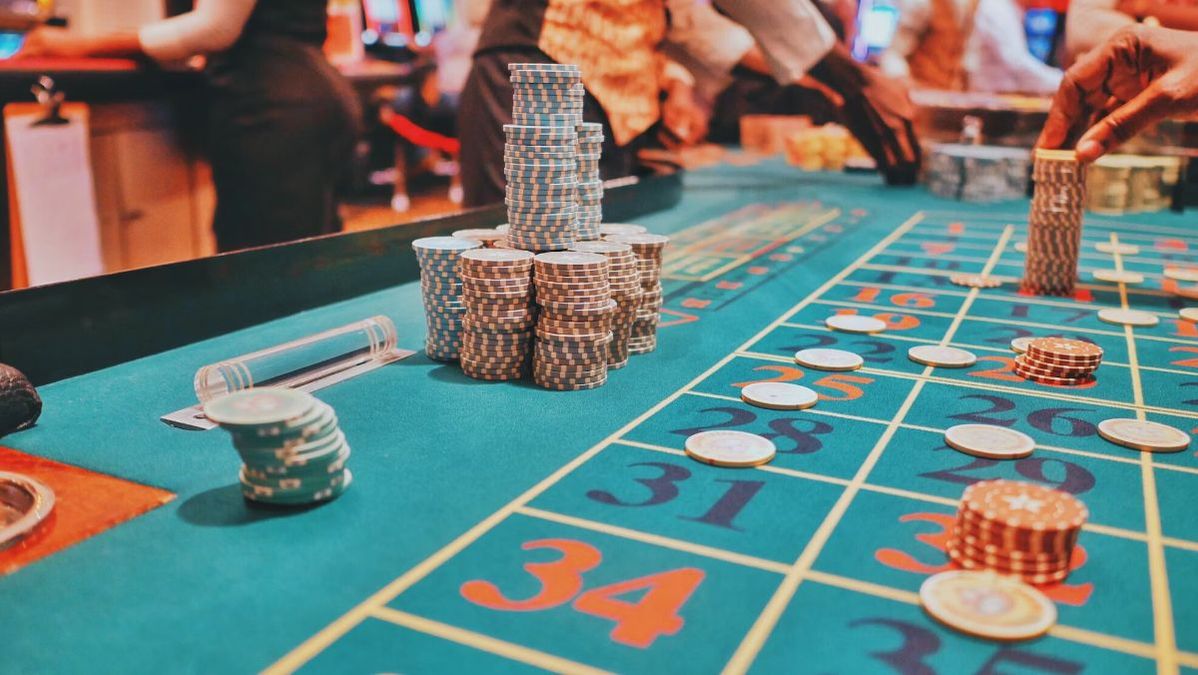
For example, consider the experience of playing a slot machine. Each spin is determined by a random number generator that guarantees no player can predict or influence the outcome. This element of chance makes slot machines a pure game of luck, where the excitement of potentially hitting a jackpot is juxtaposed with the reality of frequent losses. Understanding this dynamic is crucial for players as they navigate the unpredictable tides of luck that characterize many casino experiences.
The swings of luck can be dramatic, leading to sudden windfalls or unexpected losses that can affect a player’s psychological state. Players often find themselves chasing after that elusive big win, driven by the belief that luck will eventually turn in their favor. However, the reality is that luck can be capricious; a player might enjoy a string of wins one evening and then face a series of losses the next. This continual cycle of hope and disappointment underscores the volatility of luck in casino gambling, making it essential for players to approach gambling with a balanced mindset.
The Importance of Skill in Casino Games
While luck plays a significant role in many casino games, skill is equally important, especially in games that require strategy and decision-making, such as poker, blackjack, and certain variations of baccarat. These games allow players to employ their knowledge and abilities to influence their outcomes significantly. In poker, for instance, successful players must master the art of reading their opponents, calculating odds, and making strategic decisions based on incomplete information. This skill set can greatly enhance a player’s likelihood of success over time.
In blackjack, the application of strategy can further tilt the odds in favor of skilled players. Techniques such as card counting enable players to keep track of the ratio of high to low cards remaining in the deck, allowing them to make more informed betting decisions. Unlike pure games of chance, where luck reigns supreme, skillful players can exploit their understanding of the game to minimize the house edge. This interplay of skill and chance adds an engaging layer to the gambling experience, attracting many individuals who thrive on competition and strategy.
Additionally, the relationship between luck and skill can create fascinating scenarios in gambling. A player may receive fortunate cards at the start of a blackjack game, but it is their understanding of when to hit, stand, or double down that will ultimately determine their success. This dynamic illustrates that while luck can lead to immediate rewards, it is the application of skill that often dictates long-term outcomes in casino gambling, making skill development essential for serious players.
The Psychological Impact of Luck and Skill
The psychological influences of luck versus skill in gambling are profound and can significantly shape a player’s experience. Many gamblers often attribute their wins to their skill while blaming losses on bad luck, a cognitive bias known as the illusion of control. This distorted perception can lead players to believe they have more influence over the outcomes than they actually do, prompting them to engage in riskier behaviors under the misguided notion that they can harness their skills to turn the tide in their favor.
This psychological twist can also contribute to gambling addiction, as players chase the high of previous wins, convinced that their luck will return. The thrill of winning can cloud judgment, making it difficult to recognize when one should step back from the game. Understanding this psychological aspect is vital for responsible gambling, as it emphasizes the need for players to maintain awareness of their emotional states and to recognize when the chase for luck has turned into an unhealthy obsession.
Furthermore, how players perceive luck and skill can significantly impact their betting strategies and overall approach to gambling. A player who believes in their skill may take on greater risks, feeling empowered to wager higher amounts based on their perceived abilities. In contrast, a player who sees gambling strictly as a game of chance might adopt a more conservative betting style, only to experience frustration when luck does not favor them. This complex relationship between psychology, luck, and skill is essential for understanding the nuances of the gambling experience.
The Role of House Edge and Game Selection
The concept of the house edge is crucial in understanding how luck and skill interact within the casino environment. The house edge represents the mathematical advantage that casinos have over players, ensuring that, in the long run, the casino will profit from the games they offer. This edge varies significantly from game to game, influencing players’ choices and strategies. Understanding the house edge can help players make informed decisions about where to place their bets and how to manage their bankroll effectively.
In games such as roulette and slots, the house edge is typically higher, aligning the results closely with luck. Players must acknowledge that their skill has little impact on the outcomes dictated by the game’s mechanics. Conversely, games like poker and blackjack provide opportunities for skillful players to alter their odds through strategic play. By mastering game mechanics and applying effective betting strategies, players can reduce the house edge, thereby improving their chances of winning over time.
Choosing which games to play is essential for those looking to navigate the balance between luck and skill in their gambling pursuits. A skilled poker player might seek out tables where they can capitalize on their expertise against less experienced opponents, whereas a casual gambler may prefer the straightforward nature of slot machines. This thoughtful approach to game selection can significantly impact a player’s overall experience and success rate, underscoring the importance of strategic decision-making in the casino landscape.
Conclusion and Resources on Responsible Gambling
Understanding the interplay of luck and skill in casino gambling is paramount for both new and experienced players. This dynamic relationship can shape various aspects of the gambling experience, from how players formulate their betting strategies to their emotional responses during play. Recognizing that luck can lead to unpredictable outcomes while skill can help manage losses and maximize wins enables players to approach gambling with a more informed and balanced perspective.
For those seeking to navigate the complexities of gambling responsibly, numerous resources are available. Organizations and websites dedicated to promoting responsible gambling offer valuable insights into managing one’s bankroll, identifying the signs of problem gambling, and emphasizing the importance of setting limits. Making informed choices is essential for ensuring that gambling remains an enjoyable and entertaining activity rather than a source of stress or financial strain.
In conclusion, while luck can create moments of joy and unexpected triumphs, it is often skill that determines long-term success in the world of casino gambling. By embracing both elements and maintaining a responsible approach, players can enjoy the thrill of gambling while retaining control over their habits. Always remember to gamble responsibly and seek assistance if the excitement begins to overshadow the enjoyment of the game.
DIPLÔMES WSET®

WSET® représente la référence mondiale des formations du vin. Réparti sur trois niveaux successifs, le cursus proposé délivre à chaque étape des diplômes reconnus au plan international. L’enseignement du WSET® s’adresse à tous, amateurs comme professionnels.